Workplace Safety Insights
A practical look at Cal/OSHA training obligations and which on-site safety courses California employers commonly need to cover their crews.
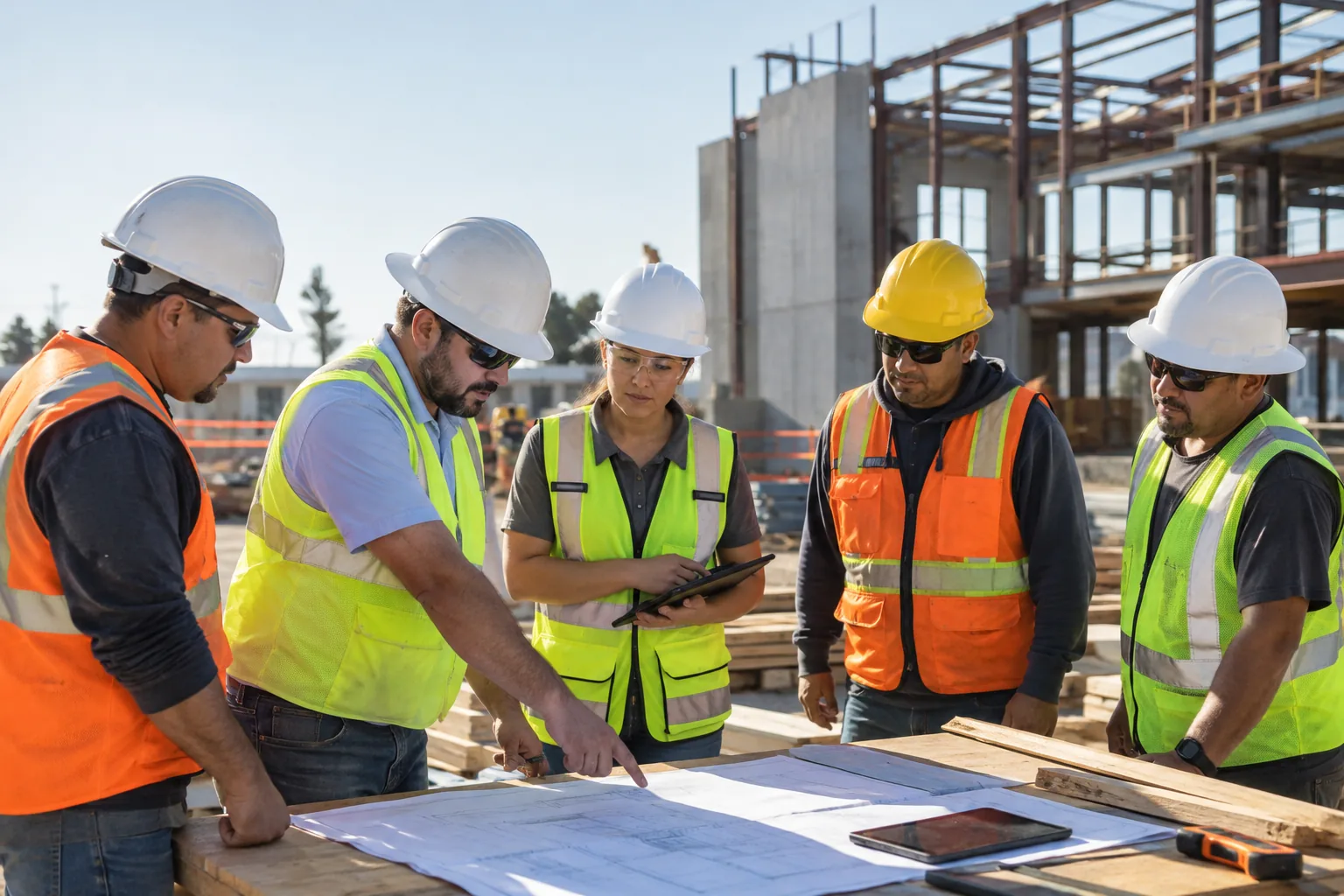
If you run a business in California, you already know Cal/OSHA doesn't play around. The state runs its own occupational safety program, separate from federal OSHA, and in a lot of cases it holds employers to a higher bar. That's not a knock on California - it's just the reality of operating here, and it means safety training isn't something you can treat as a box to check once a year.
This guide walks through what Cal/OSHA compliance actually looks like on the ground, which training topics tend to come up most often across industries, and how on-site training fits into the picture.
What Cal/OSHA Actually Expects From Employers
Cal/OSHA's rules cover everything from general industry safety orders to construction-specific standards, and the details vary a lot depending on what your business does. But a few themes show up across almost every industry:
Training has to address the hazards your employees actually face - not generic safety concepts, but the specific risks tied to their job and worksite. It has to be delivered in a way workers understand, which for many California employers means training in more than one language. And you need records. If Cal/OSHA shows up for an inspection and asks when someone was last trained on a piece of equipment, "I think last year" isn't going to cut it.
Because requirements differ by industry and by the specific hazard involved, it's worth having someone verify exactly what applies to your workplace and jurisdiction rather than assuming a one-size-fits-all checklist covers you. A warehouse in Fresno and a construction site in Oakland aren't governed by the exact same set of rules.
Training Topics That Come Up Again and Again
No two workplaces have identical hazards, but a handful of training areas show up constantly across California industries.
OSHA 10-hour and 30-hour outreach training is often the starting point. These courses give workers a foundation in hazard recognition and OSHA standards, and they're widely used across construction and general industry. Learn more about OSHA 10/30-hour outreach training and whether it fits your crew.
Fall protection matters everywhere, but especially in construction, roofing, and any work that puts people above ground level. Falls are consistently one of the leading causes of serious injury on job sites, and training needs to cover more than just "wear your harness" - workers need to understand anchor points, guardrail systems, and when a fall arrest system is even the right tool. Our fall protection training covers hazard recognition alongside hands-on use of the equipment.
Hazard communication is its own animal in California. Employees who work around chemicals need to know how to read a Safety Data Sheet, understand labeling, and respond if something goes wrong. This isn't a slide deck people skim through once - it needs to be revisited whenever new chemicals or processes get introduced. See our hazard communication training for what a program like this typically covers.
Forklift and heavy equipment operation trips up a lot of employers because they assume experienced operators don't need refreshers. They do. Equipment changes, sites change, and skills fade. Our forklift training and heavy equipment training programs are built around practical operation, not just a written test.
Lockout/tagout protects anyone who services or maintains machinery from unexpected startup or stored energy release - one of the more dangerous gaps we see in maintenance-heavy operations. Our lockout/tagout training walks through the procedures step by step.
Why On-Site Training Tends to Work Better
There's a reason so many California employers lean toward on-site training instead of sending workers off to a generic classroom somewhere. When training happens where the work actually happens, a few things change.
Instructors can point at the actual equipment, the actual layout, the actual hazards - not a stock photo of a forklift. Workers get to practice on the machines they'll use that afternoon. If someone's doing something unsafe, the trainer catches it in real time instead of finding out after an incident report gets filed. And when Cal/OSHA does come knocking, you've got documentation that shows training was tailored to your site, not just a generic certificate.
If you're weighing formats, our on-site training page breaks down how sessions are structured for different industries.
Picking a Training Partner
Not every provider knows California's rules the way they need to be known. When you're evaluating options, it's worth asking a few pointed questions: Do they understand Cal/OSHA specifically, not just federal OSHA? Can they flex between on-site, online, and blended formats depending on your crew's schedule? Will they customize the material to your actual industry, or hand you the same deck they use for everyone?
All Purpose Safety Training Solutions builds out company training programs designed around these questions, with documentation support built in.
Getting Started
A reasonable approach looks something like this: take stock of the hazards actually present at your worksite, figure out which employees are due for initial training versus refreshers, get a documentation system in place before you need it (not after an inspection), and keep an eye on Cal/OSHA updates since standards do shift over time.
If you want to talk through what a training plan would look like for your company, reach out to All Purpose Safety Training Solutions or check out our California locations page to see where we're already active.
FAQ
Is OSHA 10-hour training required in California?
It's widely used and often expected in construction, but exact requirements depend on your industry, the job role, and sometimes local project requirements. Verify what applies to your specific workplace rather than assuming.
How often does safety training need to happen?
There's no single answer - it depends on the standard involved and the hazard. At minimum, plan on training at hire, when job duties or equipment change, and on a recurring refresher schedule.
Can on-site training be paired with online modules?
Yes. A lot of employers cover theory online and save hands-on practice for on-site sessions - it's an efficient way to use everyone's time.


