Workplace Safety Insights
Crane safety awareness and crane operator training are not the same. Here is who needs which preparation and why.
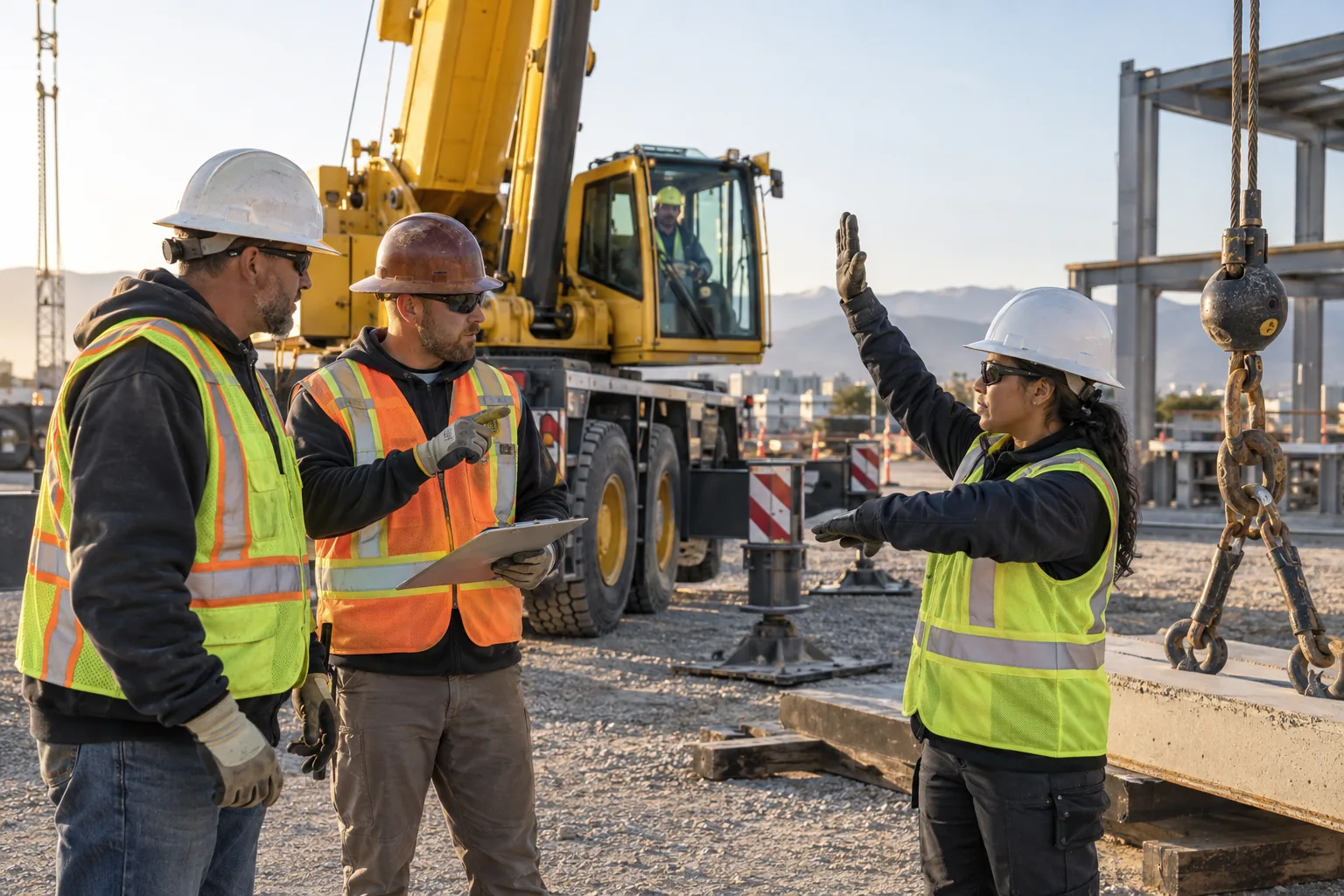
"We need crane safety training" is one of those requests that sounds simple until you start asking who, exactly, needs to be in the room. The person running the crane needs something very different from the person tying off a load underneath it, and both of them need something different from the site supervisor who's just trying to make sure nobody gets hurt. Lumping all of that under one generic "crane training" session usually means someone walks away undertrained.
Here's how to think about the difference and figure out what your crew actually needs.
Crane Operator Training: For the Person at the Controls
This is the training aimed squarely at whoever is actually operating the crane. It covers the mechanics of the equipment itself - load charts, stability limits, controls, pre-operation inspections, and the judgment calls that come up on a live job site that a manual can't fully anticipate.
Operating a crane is not something people should learn on the fly, and it's not something a one-time class fully covers either - skills need to be reinforced and equipment-specific knowledge matters, since a tower crane and a mobile crane don't behave the same way. Our crane operator training program is built around the actual equipment your operators will run, not a generic "cranes in general" curriculum.
Crane Safety Training: For Everyone Else Working Near One
This is the training that matters for riggers, signal persons, spotters, and anyone else working in or around the crane's operating radius without ever touching the controls. It covers hazard recognition, safe positioning, communication signals between the operator and ground crew, load path awareness, and what to do if something looks wrong.
This is often the piece employers underestimate. A crew member doesn't need to know how to operate a 200-ton mobile crane to be at serious risk if they don't understand how a swinging load behaves or where the exclusion zone actually is. If your team has people working near cranes without operating them, general awareness training closes that gap - and it pairs naturally with foundational courses like OSHA 10/30-hour outreach training, which covers hazard recognition more broadly across a job site.
Why the Distinction Actually Matters
Mixing these up creates two problems. Either you're paying for operator-level training for people who will never touch the controls - which is a waste of time and money - or you're assuming ground crew members picked up crane awareness by osmosis, which is how avoidable incidents happen. A signal person who's never had formal training on hand signals and load dynamics is a real liability, even if they've "been around cranes for years."
The safest approach is treating these as two separate training tracks and mapping your crew against both: who operates equipment, and who works near it. Most crews need both tracks running, just for different people.
Where Crane Training Fits With Other Equipment
Crane work rarely happens in isolation. It's common to see it alongside aerial lift use, heavy equipment operating in the same area, and material handling that overlaps with the crane's work zone. If your site involves a mix of equipment, it's worth reviewing training holistically rather than one machine at a time. Our aerial lift training and heavy equipment training programs are often booked together with crane training for exactly this reason - sites that use one type of heavy equipment usually use several.
Building a Program That Covers Both Roles
A practical starting point: list out every role that interacts with the crane in any way, from the operator down to whoever's flagging traffic near the lift zone. Match each role to the right training track. Confirm refresher intervals - skills and awareness both fade, and new equipment or site conditions can change what "safe" looks like. And keep documentation for both tracks, since an inspector or insurer may ask about ground crew training just as readily as operator certification.
Because crane operations often intersect with equipment-specific regulations that vary by state and job type, it's worth having someone verify exactly what's required for your operation and jurisdiction rather than assuming a standard program covers everything.
On-site delivery tends to work especially well for crane-related training, since load dynamics and signal communication are hard to teach convincingly in a classroom. Our on-site training options are built with that in mind, and broader company training plans can bundle crane-specific and general awareness tracks together for crews that need both.
Getting Started
If you're not sure which of your crew members need operator-level training versus general awareness, that's a conversation worth having before scheduling anything. Reach out to All Purpose Safety Training Solutions to walk through your crew roster and job site setup.
FAQ
Does everyone on a job site with a crane need operator training?
No - only the people actually operating the equipment need operator-level training. Everyone else working near the crane needs safety awareness training appropriate to their role.
How often should crane operators go through refresher training?
It depends on the equipment, the applicable standards, and how often the operator is actually on that specific machine. Employers should confirm the refresher schedule that applies to their operation.
Can crane safety awareness training be delivered alongside other job site training?
Yes - it's common to combine it with broader hazard awareness or OSHA outreach training, since much of the underlying hazard recognition overlaps.


